
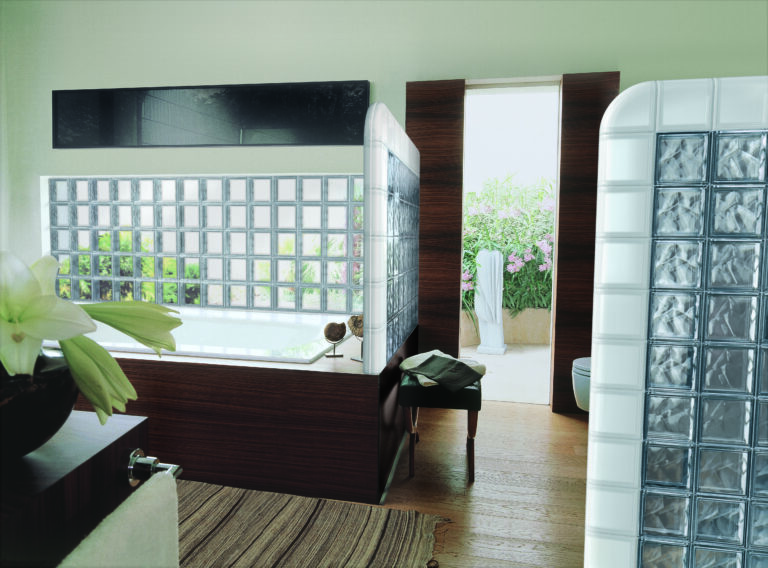
Glass blocks are both stylish and functional for any space. From home bathrooms to commercial feature walls, the right glass block can brighten and enhance any space.
If you’re new to glass blocks, all the patterns, sizes, and installation options can feel confusing. This guide will break everything down step by step, helping you choose the perfect block for your project so that it looks great and lasts for years.
1. Identify the Purpose of Your Project
The first step in any glass block project is understanding your goal. What do you want this installation to achieve? Different purposes require different types of blocks, patterns, and materials.
Here are the most common reasons people use glass blocks:
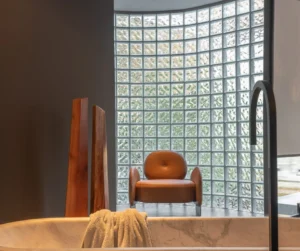
- Add natural light: Blocks are ideal for brightening bathrooms, basements, and interior walls without installing new windows. The light they allow in helps make spaces feel larger and more open.
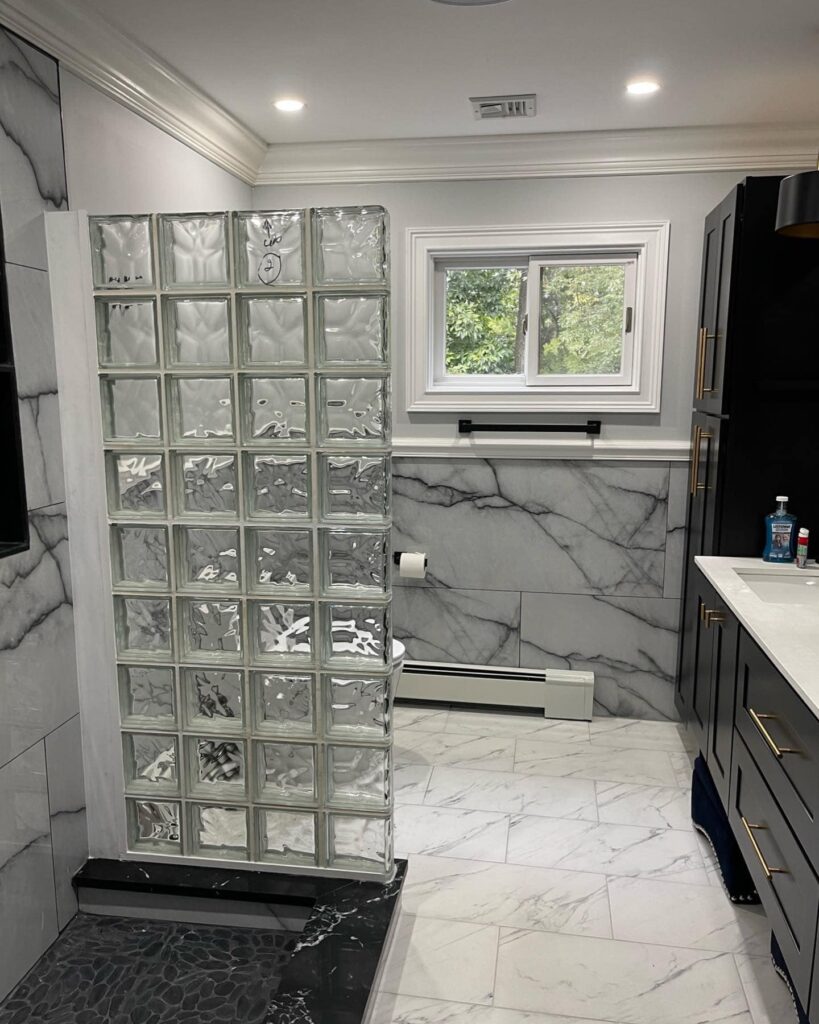
- Increase privacy: Textured or frosted blocks add privacy while letting in light, perfect for bathrooms and showers.
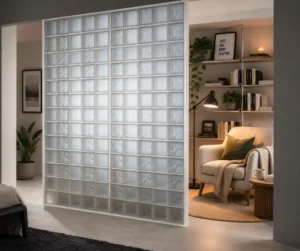
- Create a design focal point: Glass blocks can serve as eye-catching elements in homes or commercial settings. They work beautifully for accent walls, bars, partitions, or retail displays, adding dimension and elegance.
- Improve security: Solid glass bricks add security while keeping natural light, perfect for commercial or ground-floor windows.
- Enhance energy performance: Insulated glass blocks reduce heat loss while letting in light, perfect for exterior or enclosed areas.
Knowing your goal will guide every other decision—from selecting patterns to choosing materials and deciding on installation methods. Bathrooms need privacy; commercial lobbies need strength and visual appeal.

2. Choose the Right Pattern for Light and Privacy
One of the most important decisions in a glass block project is choosing the pattern. Patterns affect how much light passes through and how visible the other side is. There are three general categories:
High-Privacy Patterns
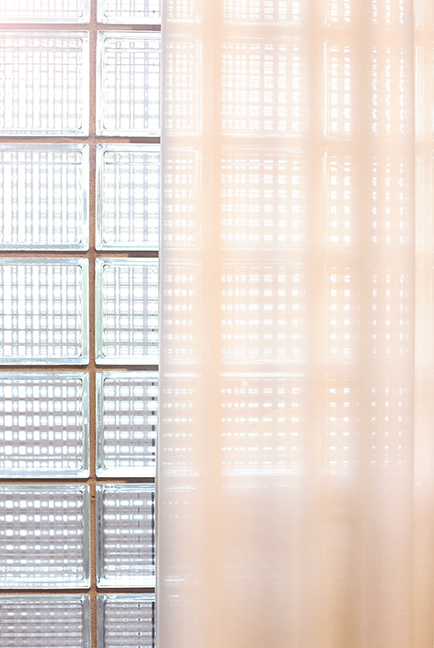
These patterns are ideal for bathrooms, showers, or windows facing busy streets. They scatter light and minimize visibility through the block. Some popular options include:
High-privacy patterns let in soft light while keeping the space private.
Medium-Privacy Patterns
Medium-privacy patterns strike a balance between light and visibility. They work well for interior partitions, offices, or areas where a bit of transparency is desirable. Examples include:
These patterns let light through while providing some privacy, making them suitable for many projects.

Low-Privacy / High-Visibility Patterns
Low-privacy patterns let in the most light and offer minimal obstruction of the view. They are great for dramatic features or backlit walls where you want light to shine through. Examples include:
Tip: If you’re designing a shower, choose a textured block for privacy. If your goal is a glowing, dramatic wall or a brightly lit partition, go with clear or lightly textured blocks. The pattern you choose not only affects functionality but also the visual style of the space.
3. Select the Right Size and Thickness
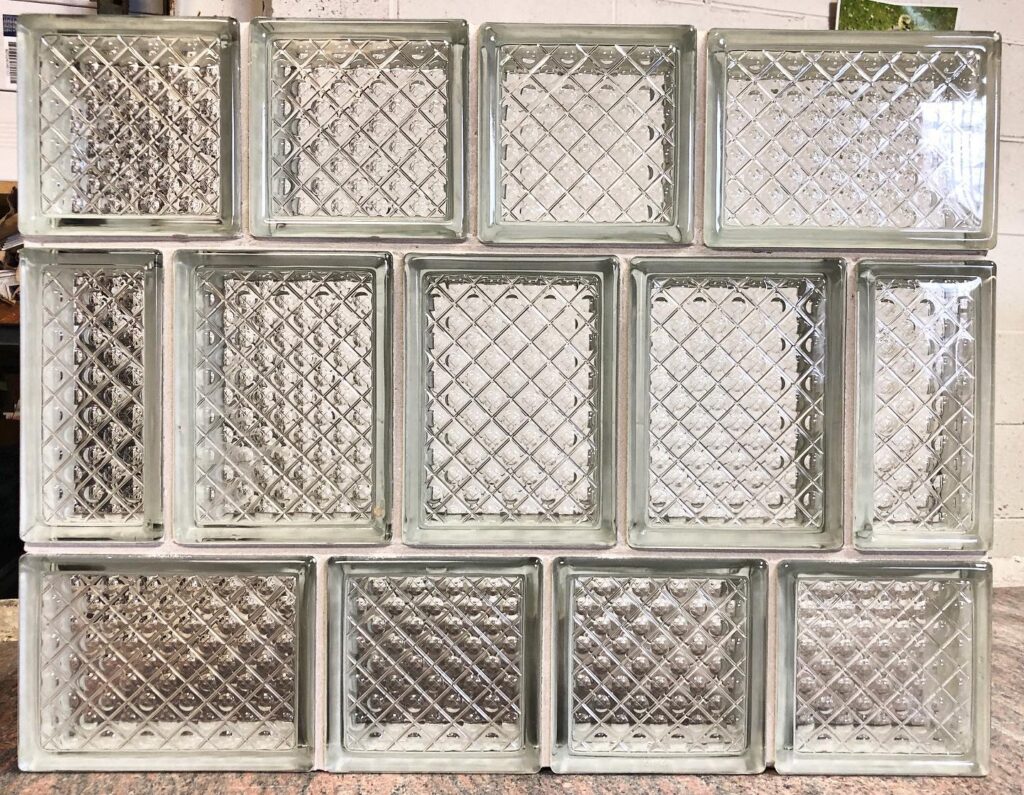
Glass blocks come in a variety of sizes, usually ranging from 4″x8”x3” to 12″x12″x4”, depending on the product line. Size and thickness impact both aesthetics and structural performance.
- Small blocks (4″x8”x3” to 6″x6″x4”): Ideal for intricate designs, straight walls, or small accent pieces.
- Standard blocks (8″x8″x4”): Most commonly used for windows, showers, and interior walls. They offer a good balance of light, privacy, and structural stability.
- Large blocks (12″x12″x4”): Used for bold, modern statements or large installations where you want a striking visual impact.
Thickness is another consideration. Thicker blocks are stronger and save energy, making them ideal for exterior walls, basements, or secure areas. For interior decorative walls, standard thicknesses are usually sufficient.
4. Understand Installation Systems
Choosing the right installation method is critical for both durability and appearance. There are three main approaches:
Mortar Installation
The traditional method for glass blocks. Mortar gives a classic look, provides excellent support, and is suitable for both interior and exterior walls. It’s ideal for permanent installations like exterior windows.
ProVantage / Channel Systems
These systems provide cleaner edges and a modern appearance. They are faster to install than mortar and work well for interior walls, showers, or partitions. The channel keeps the blocks securely in place while maintaining even spacing.
Ready-Made Units
Also called pre-assembled or factory-built units, these are perfect for quick installations. They offer consistent quality, precise spacing, and a time-saving alternative to on-site assembly.
Your choice of installation method affects cost, speed, and the overall look of the project. Mortar provides a classic, durable finish, while ready-made units are easy to install and consistent for custom projects.
5. Match Your Block to the Environment
Different spaces have unique requirements. Selecting the right block for its environment ensures long-lasting performance and a polished appearance.
Bathrooms and Showers
- Use high-privacy patterns
- Consider moisture-resistant framing or channels
- Frosted surfaces create a spa-like feel
Basements
- The 3” thick blocks are best option these type of windows
- Vent options help maintain airflow
Commercial Spaces
- Solid glass bricks offer excellent impact resistance, but they are not rated for hurricane-impact requirements.
- Pick patterns and colors that reflect your brand or style
- Consider fire-rated blocks depending on local codes
Outdoor Designs
- Choose Energy blocks
- Select textures that minimize water streaks or spotting
NEW: Explore the Custom Color Collection
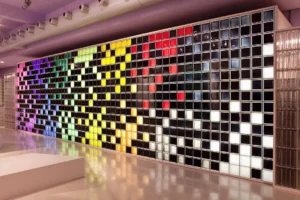
For projects where design and personalization matter, the Custom Color Collection opens up entirely new creative possibilities. Featuring vibrant, modern, and richly pigmented colors, this collection lets you introduce personality, branding, or dramatic accents into any installation.
We now offer 8x8x4 double-end blocks in the Custom Color line—perfect for freestanding walls, partitions, corners, and creative layouts requiring exposed ends with a finished look.
Use color strategically to:
- Add a bold design feature
- Match commercial branding
- Highlight architectural lines
- Create playful patterns or gradients
- Bring warmth or ambiance to interior spaces
6. Work With an Expert When in Doubt
Glass blocks may seem straightforward, but small details can make a big difference. A glass block specialist can help you:
- Avoid mismatched patterns or block sizes
- Select the right thickness for structural support
- Determine the best installation method
- Advise on custom or unique applications
Even for DIY projects, expert advice can save time, prevent mistakes, and make the result look professional.
Final Thoughts
Glass blocks combine beauty, strength, and functionality. They bring in natural light, provide privacy, and add visual interest to almost any space. Choose the right pattern, size, material, and installation, and your glass block project will look great for years.
Glass blocks can turn bathrooms, feature walls, or commercial spaces into standout areas. With thoughtful planning and attention to detail, your glass block project will be a timeless feature that enhances your space for years to come.

Give us a follow!